IS SKYDIVING SAFE?
When most people think about skydiving, they picture adrenaline, incredible views, and total freedom. They also often ask the big question: How dangerous is skydiving? It’s a fair question—and one best answered with facts, not fear.
Skydiving is an extreme sport and does carry inherent risk. However, modern equipment, strict training standards, and a deeply ingrained safety culture have made today’s skydiving safer than ever.
Understanding those realities helps you make an informed—and confident—decision.
What Are the Risks of Skydiving?
Many activities we undertake every day – both for fun and by necessity – involve risk. Skydiving also involves risk. Possible issues include parachute malfunctions, hard landings, or medical concerns. That said, smart decision-making, proper training, and professional oversight dramatically reduce these risks.
How We Reduce Skydiving Risks
1. A Strong Safety Culture
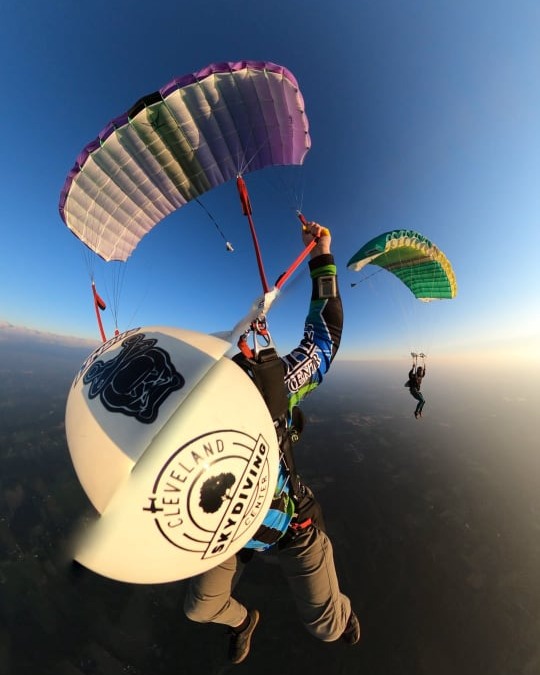
Safety is the foundation of skydiving at Cleveland Skydiving Center. From training and education to constant equipment checks, the sport operates with a safety-first mentality. Dropzone communities foster learning, accountability, and continuous improvement—because culture directly impacts safety.
2. Meticulously Maintained Equipment
Every piece of skydiving gear is carefully inspected and maintained.
-
Aircraft undergo routine inspections by certified aviation mechanics, with pre-flight checks completed before every load.
-
Jump gear is inspected multiple times before each jump, including mandatory peer “gear checks” to ensure everything is correctly fitted and packed.
3. Advanced Safety Technology
Modern skydiving equipment includes multiple built-in safety systems:
-
Reserve Static Lines (RSLs) automatically deploy the reserve parachute if the main is cut away.
-
Automatic Activation Devices (AADs) monitor altitude and speed and will deploy the reserve parachute if necessary.
These systems have saved countless lives and add an additional layer of protection—especially for first-time jumpers.
How Safe Is Skydiving for First-Timers?
Trying skydiving for the first time is understandably nerve-wracking, but looking at the numbers can help ease your mind. In 2024, U.S. civilian skydiving saw a record-low nine fatalities out of an estimated 3.88 million jumps, which works out to about 0.23 deaths per 100,000 jumps — the lowest rate ever recorded.
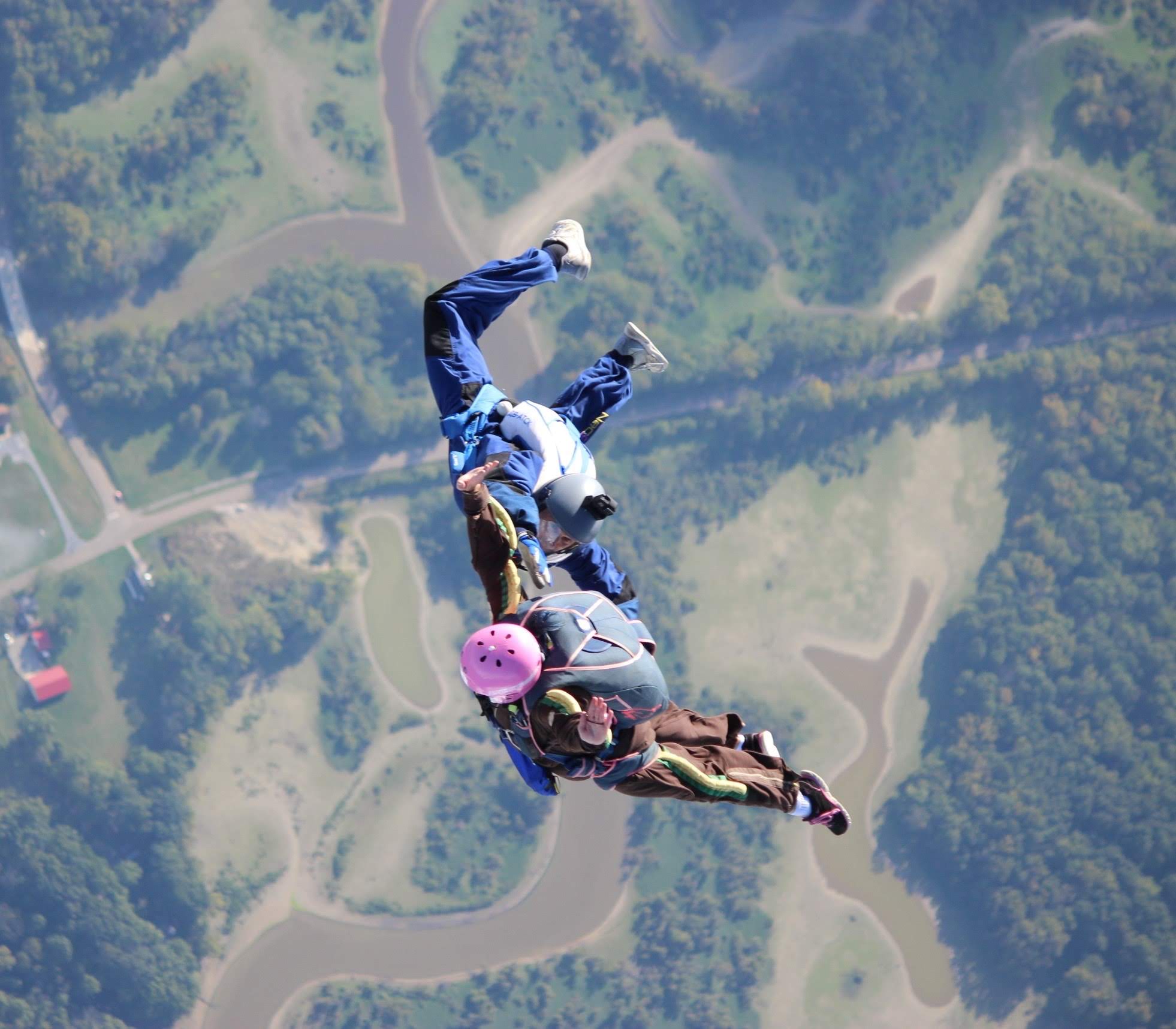
When you jump tandem with a professional instructor, the risk decreases even more. Tandem skydiving uses built-in safety systems and expert oversight, making it one of the safest ways to experience skydiving for the first time.
Skydiving is a shared sport — every injury or fatality impacts the entire community and reinforces how seriously safety is taken, from training and equipment to mindset and procedures. With proper safety measures, the statistical chance of a fatal accident is extremely low for first-time jumper